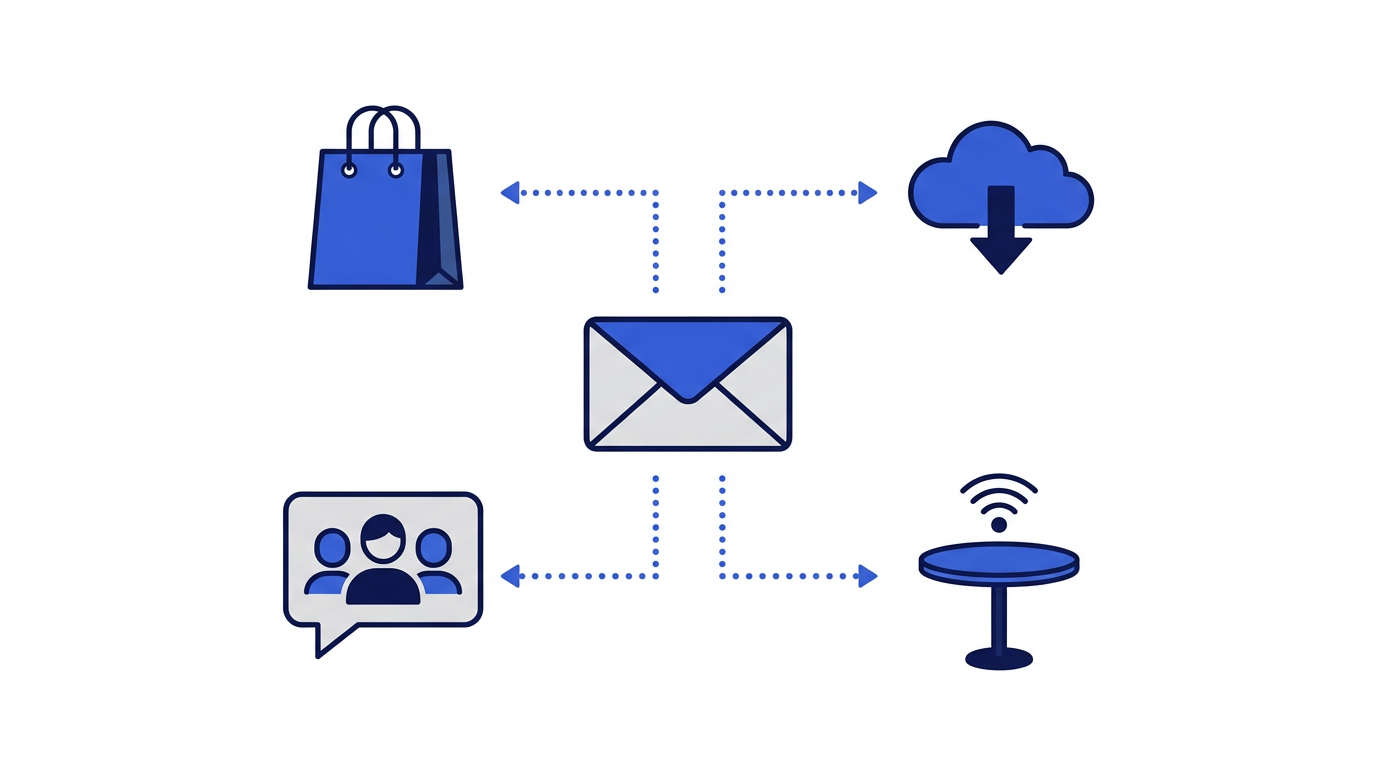
It can feel like every website wants your email address. Reading an article, downloading a file, joining Wi-Fi, leaving a comment: an email field appears before you can continue. Some of these requests are genuinely necessary. Others exist mainly to add you to a marketing list. Understanding why websites ask helps you decide which address to give, and when a temporary email is the sensible answer.
Reason 1: Email verification
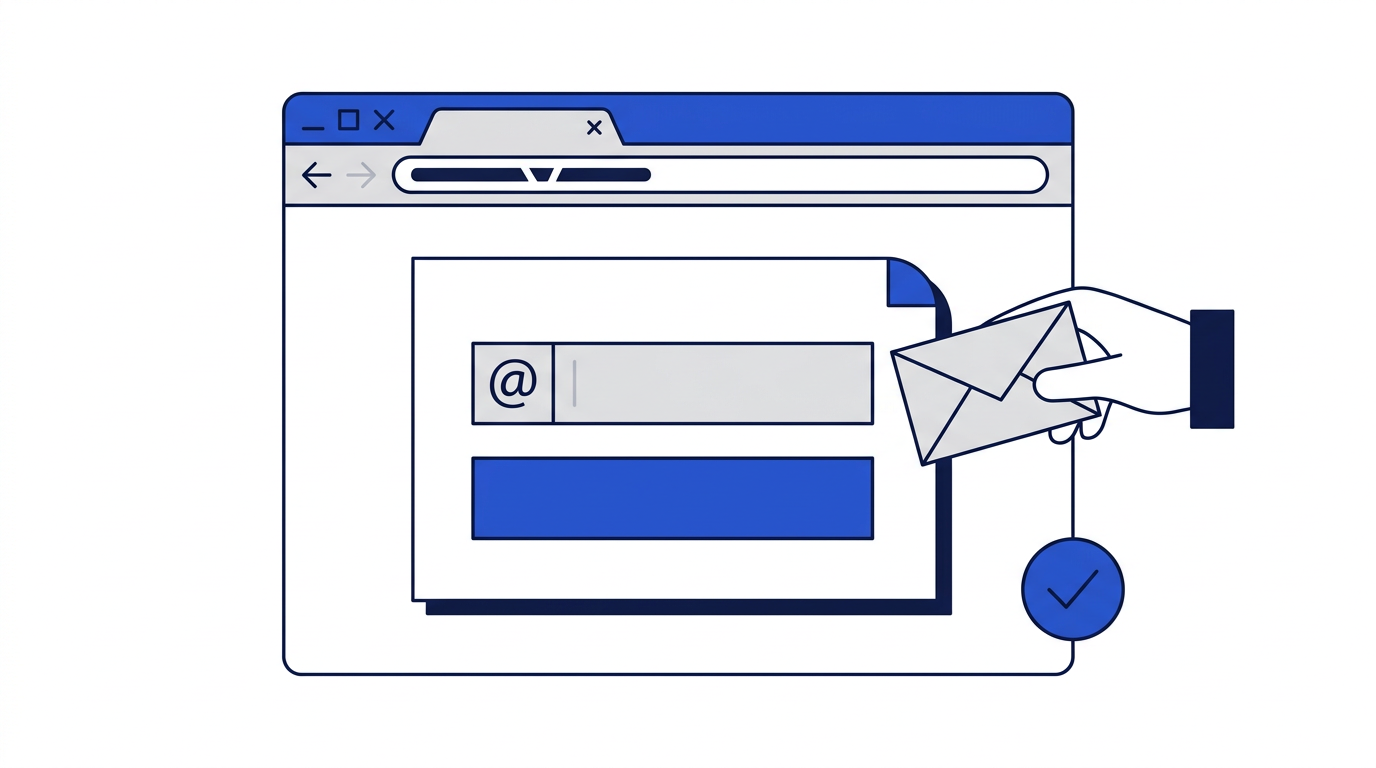
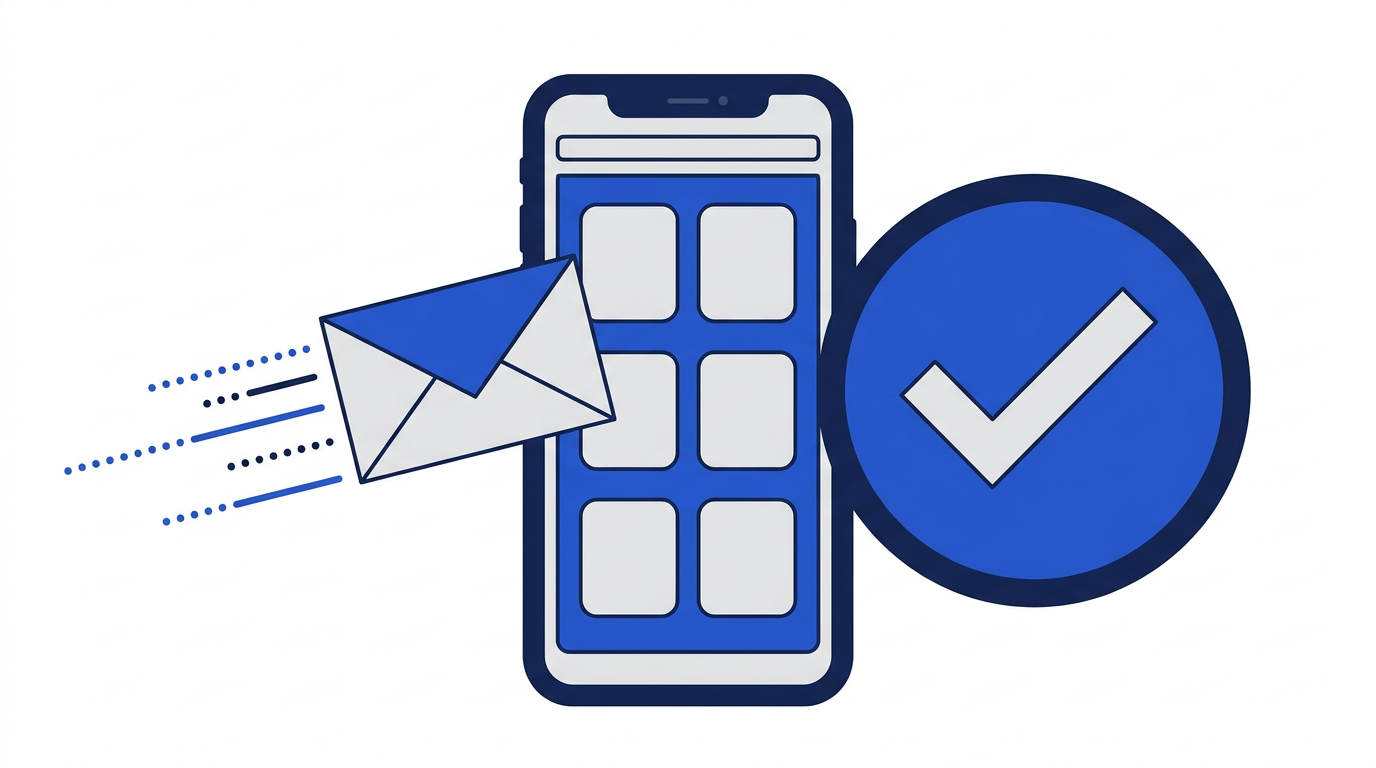
Email verification is the process of confirming that an address really exists and that you control it. After you sign up, the site sends a link or a short code. Clicking the link or entering the code proves the address is yours. Websites do this for several legitimate reasons:
- To stop people signing up with someone else’s address by mistake or on purpose.
- To reduce fake and automated accounts created by bots.
- To make sure future messages, such as password resets, will actually arrive.
- To protect their own email reputation, because sending to invalid addresses can get a sender flagged as spam.
Verification itself only needs one message. That is why temporary email works well for verifying low-stakes sign-ups. See can temporary emails receive verification codes for how this works in practice.
Reason 2: Account recovery and security
For accounts you keep, email is the safety net. If you forget your password, the reset link goes to your email. If someone logs in from a new device, a security alert goes to your email. Many services also send one-time login codes by email. These are good reasons to give a real, permanent address to any account that matters. Using a temporary address here means losing the safety net entirely.
Reason 3: Transactional messages
Receipts, order confirmations, shipping notifications, booking details and appointment reminders are all sent by email. These transactional messages are useful and often legally important. If you buy something, book something or sign a contract, the email address you give should be one you will keep.
Reason 4: Marketing
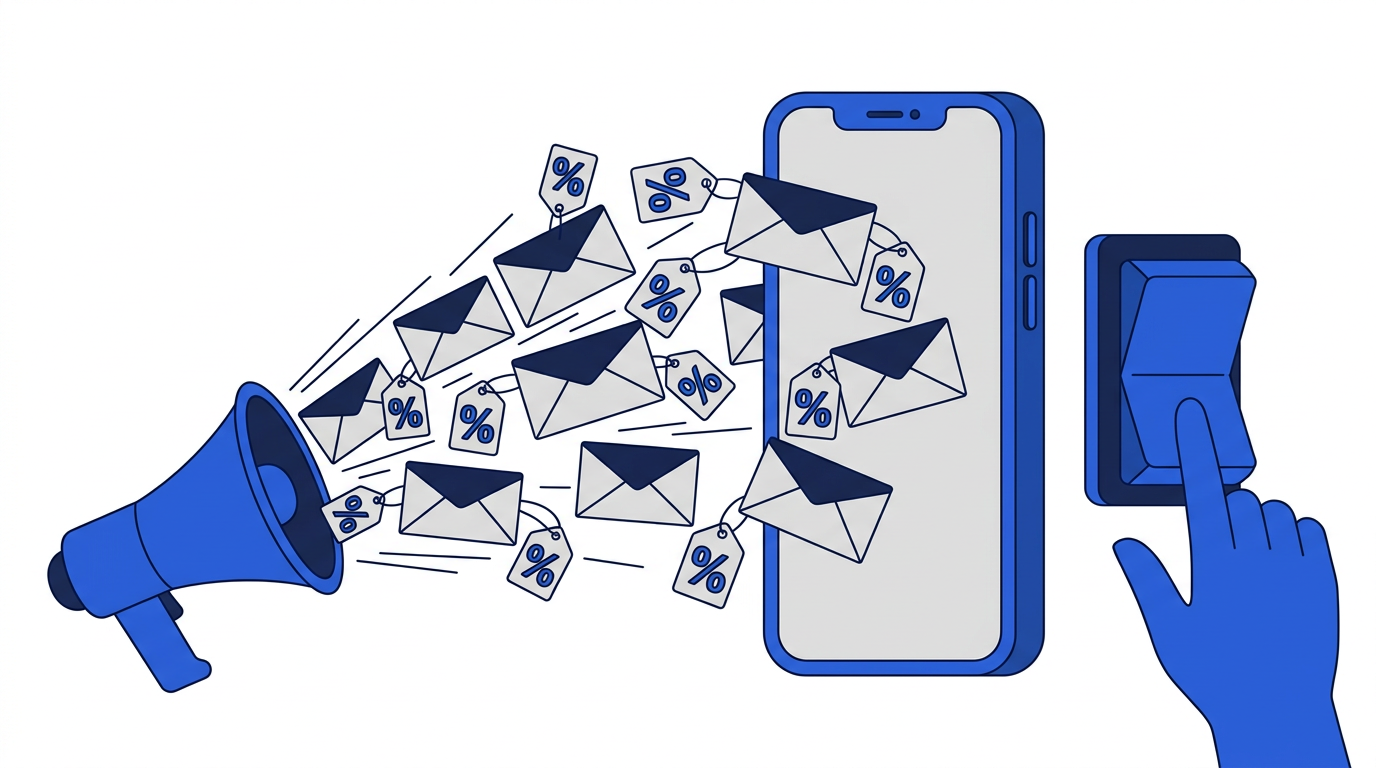
This is the reason behind a large share of email requests. An email address is one of the most valuable things a business can collect, because it allows direct, repeated contact at very low cost. Download forms, discount pop-ups and Wi-Fi portals are often designed primarily to grow a mailing list. You may be signed up for newsletters, promotions and automated campaigns, sometimes with the option to opt out buried in small print.
Reason 5: Identifying you across services
Your email address is a stable identifier. Many websites share a hashed version of it with advertising and analytics partners so they can recognize you on other sites and apps. This lets them build a profile of your interests and target ads more precisely. Giving a unique or temporary address to each site breaks that link. We explain this in how disposable emails help protect your privacy.
Reason 6: Limiting abuse
Requiring an email makes it slightly harder to create unlimited accounts, which helps sites fight spam, fake reviews and abuse of free offers. This is also why some sites block known temporary email domains. It is a reasonable defense for them, and using temporary email to get around such rules is not something we support.
How to decide what to give
- 1Ask what the site will actually use your email for. If it is only a one-time verification or download, a temporary email is fine.
- 2If you will need password resets, receipts or security alerts, use your real address or an alias.
- 3Look for pre-ticked marketing checkboxes and untick them.
- 4Read what you are agreeing to, especially on download and contest forms.
- 5If a site blocks temporary email and you do not want an ongoing relationship, consider whether you need it at all.
What about privacy laws?
In many regions, privacy laws require websites to tell you how they use your data, to get consent for marketing and to let you unsubscribe or request deletion. These protections help, but they depend on companies following them and on you reading the details. Choosing which address to share remains the simplest control you have.
Reducing the impact
You will always need to share an email address sometimes, and that is fine. The goal is to share your real one deliberately, with services you trust and need, and to use temporary addresses or aliases everywhere else. For the marketing that already reaches you, read how to reduce unwanted marketing emails.
Frequently asked questions
What is email verification?
It is a check that confirms an email address exists and that you can access it, usually by clicking a link or entering a short code the website sends you.
Do I have to give my real email to a website?
Only when you need a lasting relationship with it, such as for purchases, account recovery or security alerts. For one-time access, a temporary address is often enough.
Why do some websites reject temporary email addresses?
To reduce fake accounts and abuse, and because they rely on email for account recovery. It usually means the site expects you to return.