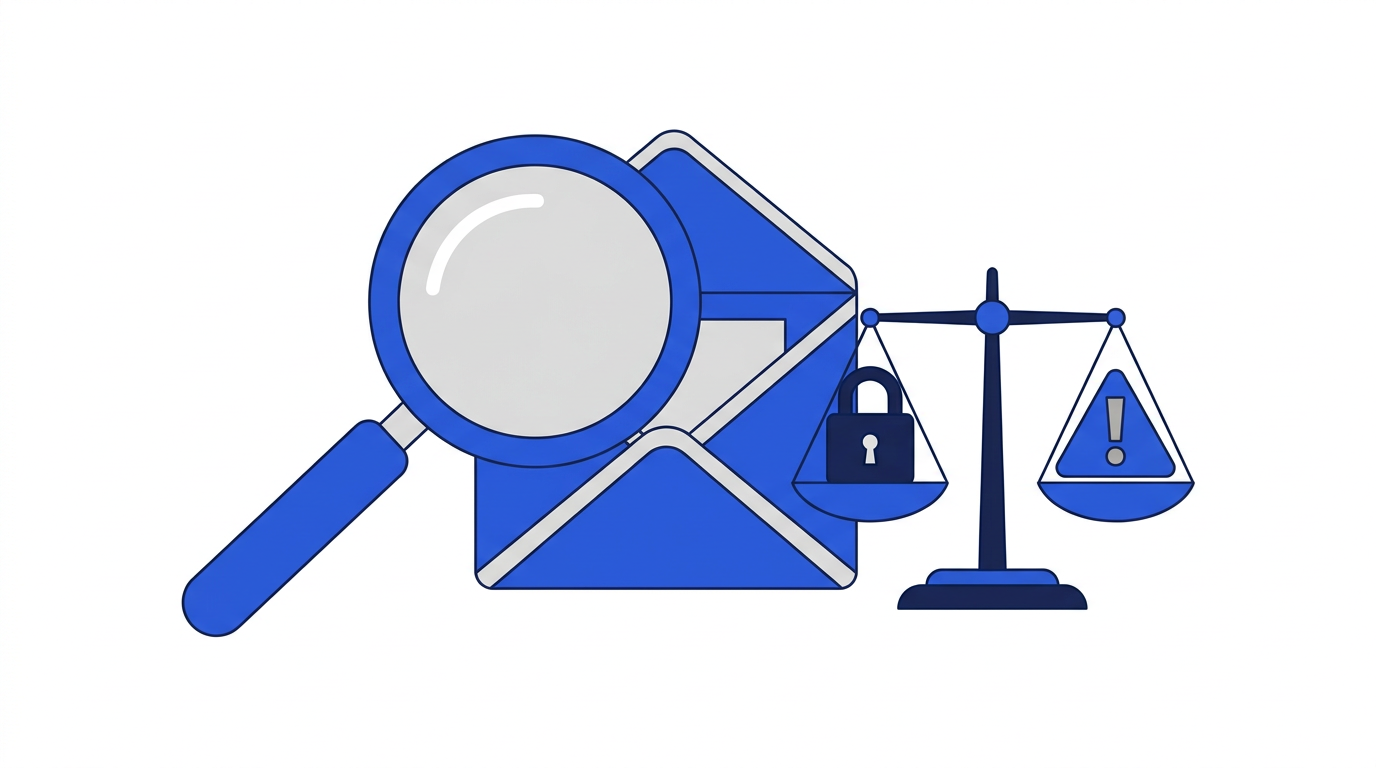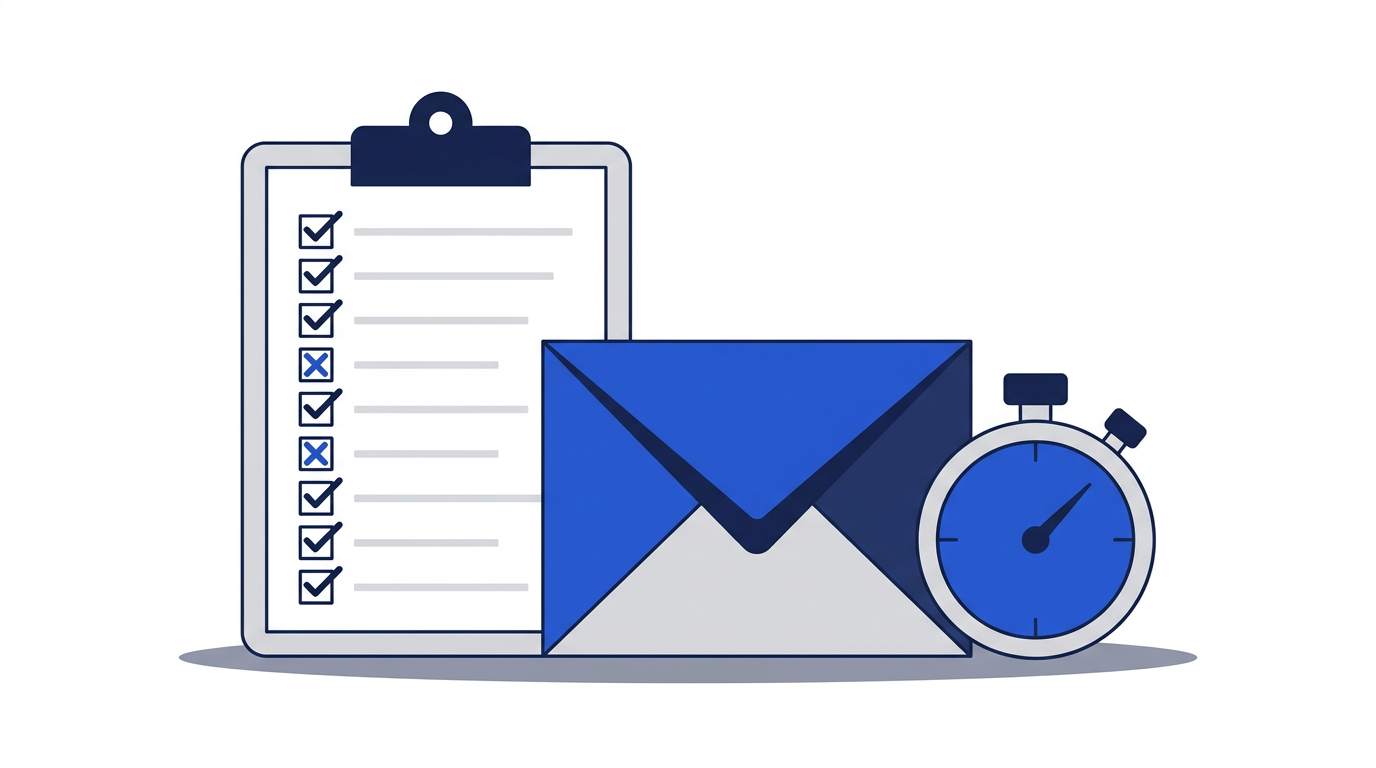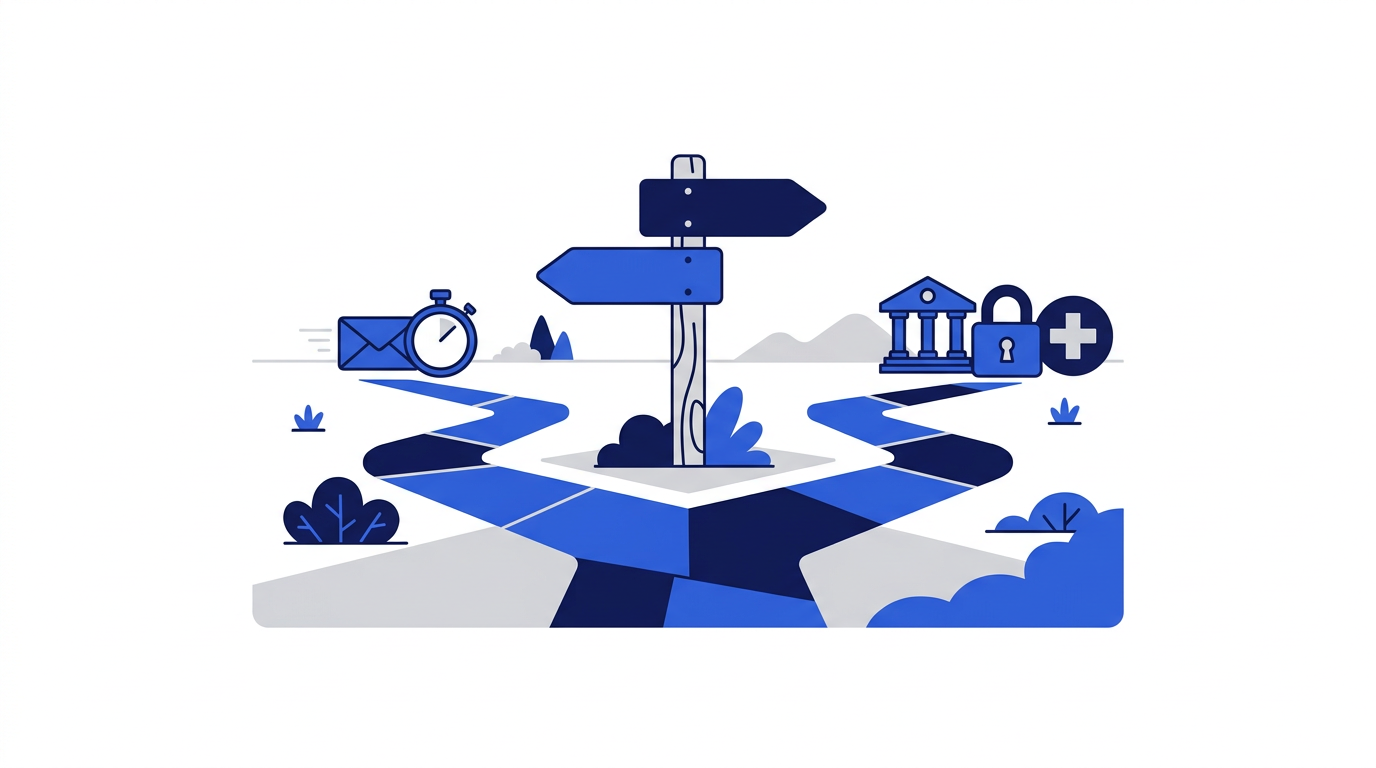
Temporary email is a useful privacy tool for one-time sign-ups, but it has limitations that make it completely unsuitable for banking, payments and any account that protects your money. This is not a small caveat. Using a temporary address for a financial account can lock you out of it permanently, cut you off from fraud alerts and, in the worst case, leave the account open to someone else.
Limitation 1: The address disappears
On 10 Minute Emails, an address lasts 10 minutes by default and at most one hour. After that, it and its messages are permanently deleted. Banks and payment services rely on email for the entire life of your account, which can be decades. A temporary address simply cannot support that. Read what happens when a temporary email expires for the details.
Limitation 2: No password resets
If you forget your password, the reset link goes to your registered email address. With a temporary address, that link goes nowhere. Some banks offer other recovery methods, but they can be slow, require identity checks or not be available at all for online-only services.
Limitation 3: You miss fraud and security alerts
Banks send email alerts for new logins, large transactions, changed details and suspected fraud. These messages are often your first warning that something is wrong. If they go to an expired address, you will not see them until it is too late to act quickly.
Limitation 4: No login or two-factor codes
Many financial services send one-time codes by email when you log in or approve a payment. Without access to the address, you cannot complete those steps.
Limitation 5: Missing statements and legal notices
Statements, tax documents, changes to terms and other legally important notices are often delivered by email. Missing them can lead to missed payments, fees or problems with tax filing.
Limitation 6: No password protection on the inbox
Temporary inboxes do not have passwords. On this site they are tied to your browser session, which is fine for a discount code but not for messages containing account numbers or personal financial details. Anyone with access to the same browser could see them.
Other accounts with the same problem
- Your main email provider’s recovery address.
- Work, school and professional accounts.
- Healthcare portals and medical records.
- Online shops where you save cards or need order updates.
- Cloud storage and photo libraries.
- Password managers.
- Any account you would be upset to lose.
What to use instead
For financial accounts, use a permanent email address that you control and protect well:
- A reputable email provider with a strong, unique password.
- Two-factor authentication on the email account itself.
- Up-to-date recovery options on the email account.
- Optionally, a dedicated address used only for finance, which you never share publicly.
A dedicated finance address makes phishing easier to spot: if a bank-themed email arrives at your everyday address, you know it is not genuine. Learn more in how to recognize phishing emails.
Where temporary email still helps
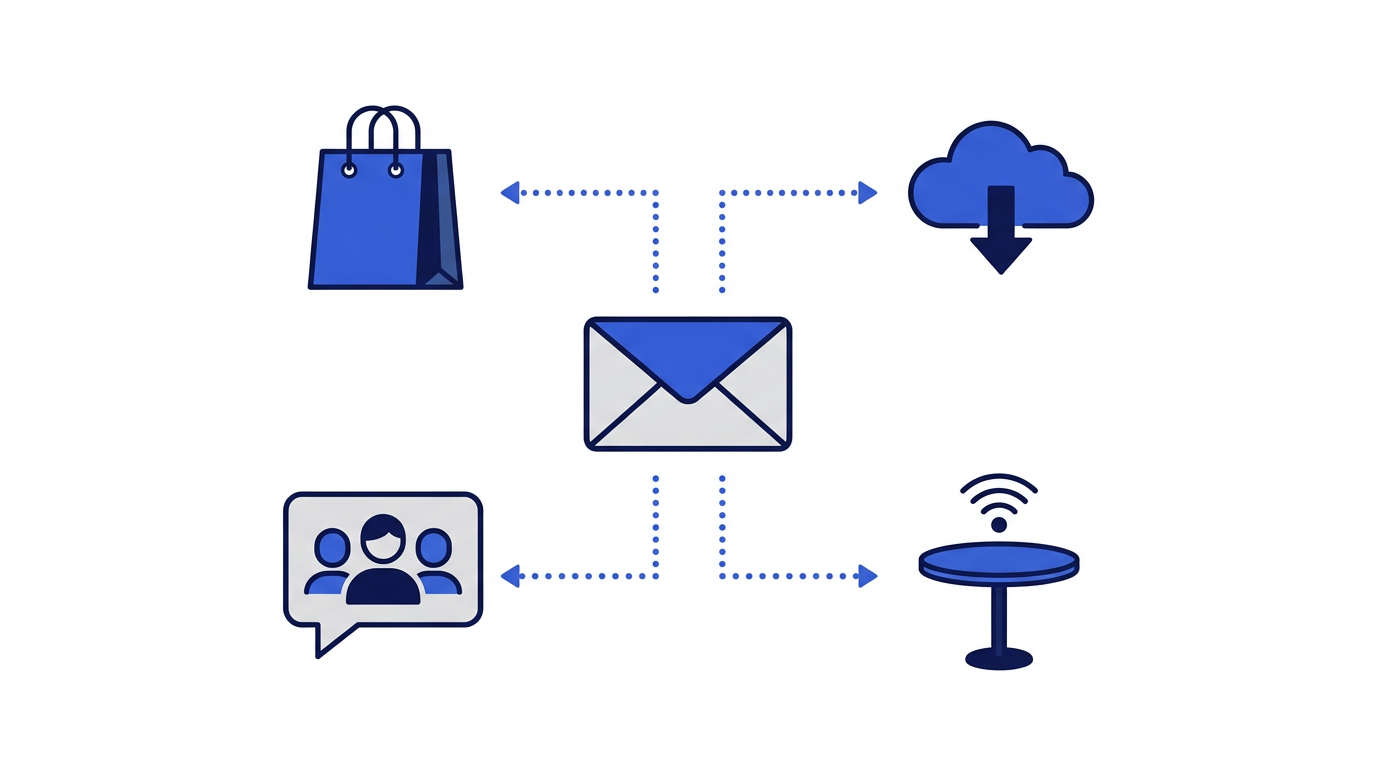
Temporary email is still a great tool for the many low-stakes interactions around your financial life: downloading a free budgeting template, reading a comparison guide behind an email wall, or joining Wi-Fi at the bank's coffee shop. Keep it for those moments. Our guide on when to use a temporary email address has a simple test you can apply.
Frequently asked questions
Can I open a bank account with a temporary email?
You should not. You would lose access to password resets, fraud alerts, statements and login codes once the address expires.
What if I already used a temporary email for an important account?
If the address is still active, change the account’s email to a permanent one right away. If it has expired, contact the service’s support team and be ready to verify your identity.
Is it safe to use temporary email for PayPal or payment apps?
No. Payment services rely on email for security alerts and account recovery, so they need a permanent address you control.